
This article was published in the El Paso Times on April 23, 2026.
The cost of health care in America is unsustainable. Patients feel it, hospitals see it and policymakers are under pressure to act.
Hospitals agree that health care costs are too high, and they are constantly working to lower costs without sacrificing safety and quality. Highly skilled health care workers, drugs and medical equipment are more expensive than ever. Unless the things hospitals must buy become cheaper, hospitals will face upward pressure on the cost of care.
El Paso consistently ranks as having one of the highest uninsured rates in the country. The state’s high rate of uninsured not only puts patients at risk, but it also strains the entire health care infrastructure. It leads to overuse of emergency departments and service line reductions, particularly in border and rural areas.
To keep costs down, hospitals increase staff efficiency, standardize care, negotiate supply costs, prevent complications, minimize overnight stays, and shift care to less expensive outpatient settings when they can. But even with these efforts, hospital bills can create sticker shock when insurance doesn’t step in.
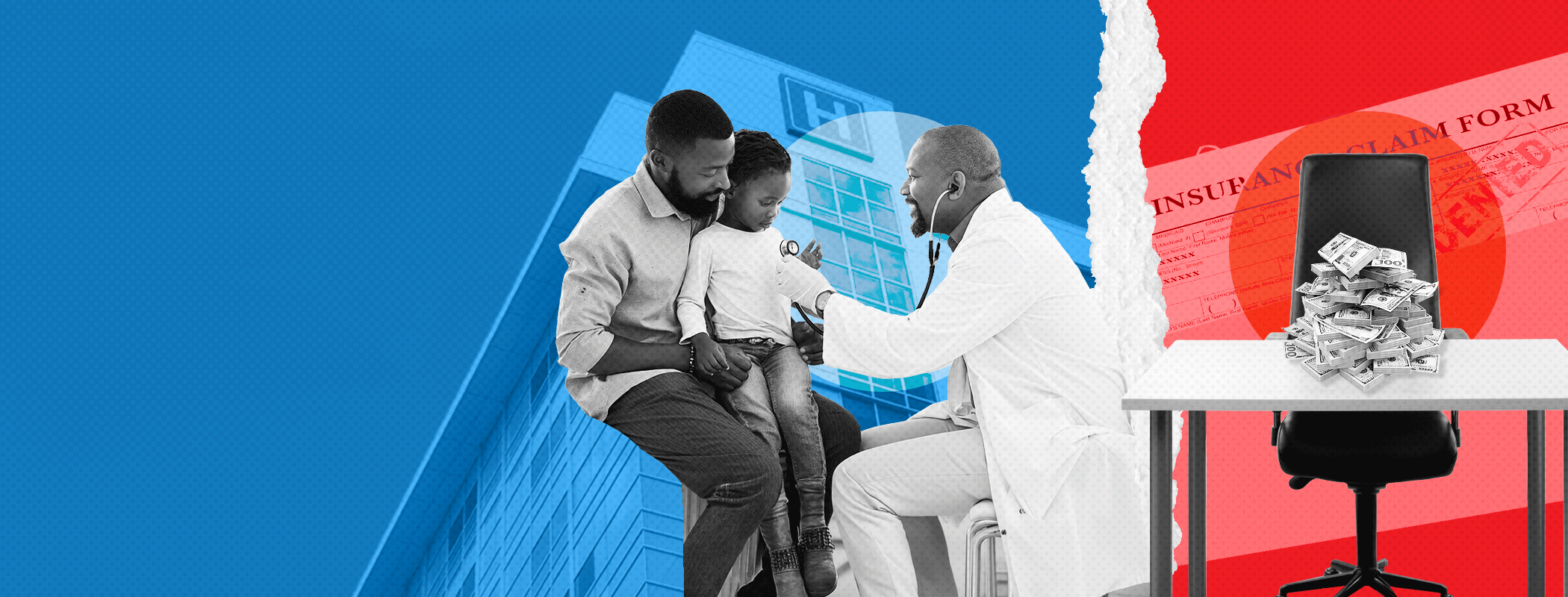
Hospitals provide the lifesaving health care Texans need. Insurers do everything they can to avoid paying for it. Patients get frustrated when they dutifully pay their health insurance premium each month, only to open the mailbox and find a hospital bill with a balance their insurance opted not to pay. These bills reflect the true cost of care that insurance companies should cover, rather than pass along to patients.
Hospital outpatient facilities are often singled out as a scapegoat in the battle over costs. Facility fees cover everything except the time and talent of the physician, which is billed separately. This includes nurses, technology, rent and utilities — everything needed to provide outpatient care. These are real costs, and outpatient access points will dwindle if facility fees are not covered by insurance.
Scapegoating facility fees distracts from the more central issue: Insurance companies are looking for ways to avoid covering the full cost of care, shifting those burdens to patients and employers who already pay hefty premiums every month for coverage.
To boost profits, health insurers have engaged in a decades-long campaign to place the financial burden of care in Texas squarely on the backs of patients and providers. Texans are all too familiar with stories of high premiums and deductibles, skimpy coverage and denied claims — including springing retroactive denials on patients months after care was delivered and initially paid. Other tactics include threatening to take trusted doctors and hospitals out-of-network and shifting to high-deductible, bare-bones coverage.
Hospitals are not charging patients outrageous amounts to line their pockets. They are providing necessary, lifesaving care while trying to remain financially viable and available to their communities. The deeper issue is friction with payers in the middle of our health care system.
Meaningful reform must consider all cost drivers and stakeholders. Chiefly, we cannot overlook the harm and ongoing financial burden that insurance companies shift to patients.
Consumers want affordable premiums and deductibles, and dependable, meaningful coverage. Raising deductibles, expanding skimpier plans, refusing to pay for outpatient care, and delaying approvals is not affordability reform. These are simply tactics to shift risk and cost onto patients and employers.
Insurance companies should be held accountable for these tactics so patients can get the treatment they need.
Notably, Texas continues to lead the nation in uninsured residents. Medicare and Medicaid pay doctors and hospitals well below the cost of care. Congress also failed to extend the Enhanced Premium Tax Credits that help keep coverage affordable.
Without coverage, patients flock to hospital emergency departments, which are required by law to provide care regardless of a person’s ability to pay. Ultimately, policy decisions get priced into the cost of coverage. Hospitals are doing their part. Until insurers’ cost-shifting tactics are reined in, Texans will continue to feel the squeeze from the high cost of care.
Related articles from The Scope

A New Phase of the Fight: Detailing Texas Hospitals’ Immeasurable Value
Unbelievably – to me, at least – the second half…
Texas Hospitals: Invaluable – and Imperiled
In the broadest sense of the word, Texas hospitals equal…
The Federal Case: THA in Washington
After this November’s election, a busy “lame duck” session will…
Repeal of 2024 Cuts Are a Needed First Step to Protect Our Safety Net
Every piece of financial certainty our hospitals can get these…

Workplace Violence: Breaking a Cultural Norm
When the Texas Hospital Association pushed for key steps to…

How FQHCs Can Stay HRSA-Compliant
Health care compliance — adhering to rules, standards, policies, laws,…