
Across Texas hospitals, compassion, safety and clinical excellence are not just priorities – they are embedded in daily practice. This culture is driven by strong, exemplary leadership that sets the tone for meaningful patient outcomes and empowers care teams.
The Texas Hospital Association recently sat down with one of the many Texas hospital leaders redefining compassionate care in their work. Angie Buckmeier, MHA, BSN, RN, serves as vice president and chief nursing officer at Scottish Rite Hospital for Children, where she leads with a focus on removing barriers and elevating care. In our conversation, Angie reflects on her path to nursing leadership and how intentional culture-building directly impacts patients, families and staff alike.
What led you to a career in health care?
“I always knew I wanted to be a nurse, and after graduating from high school, I decided to pursue a career in nursing. I was experienced in working with people and serving in different settings. I babysat, ran a summer reading program for children and worked in retail for years. I loved caring for others and was exposed to some very positive health care role models as I grew up in a small rural community in Louisiana. I was drawn to the art and science behind health care, as well as the opportunity to provide care and offer support to those in need.”
How did you end up in nursing leadership?
“I began my career 37 years ago when I moved to Dallas as a bedside nurse. Over the course of my career, I was given the opportunity to practice nursing in women’s and children’s health. I served in both informal and formal leadership roles – as a charge nurse, supervisor, manager and director – eventually progressing into an executive nursing leadership role.”
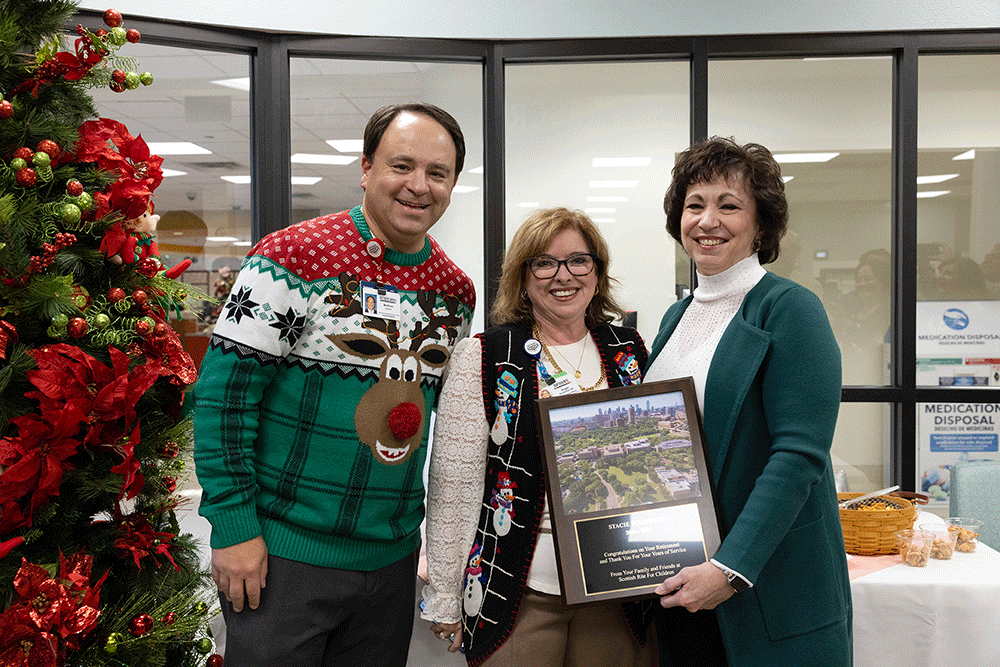
What do you do in your role as CNO at Scottish Rite?
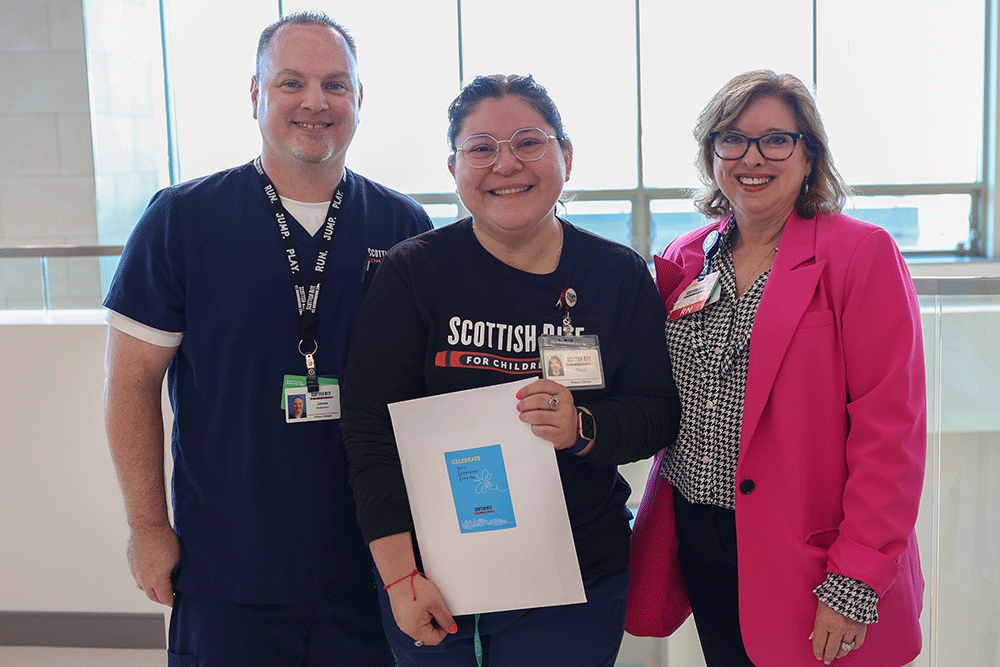
“In my role as CNO, I am responsible for oversight of all aspects of clinical nursing for the Dallas and Frisco campuses. I also support operational departments, such as pharmacy, lab, quality improvement and ambulatory care. My job is to remove barriers and support the provision of high-quality, safe patient care at Scottish Rite for Children.”
What is an initiative that you and your team are working on that you’re passionate about?
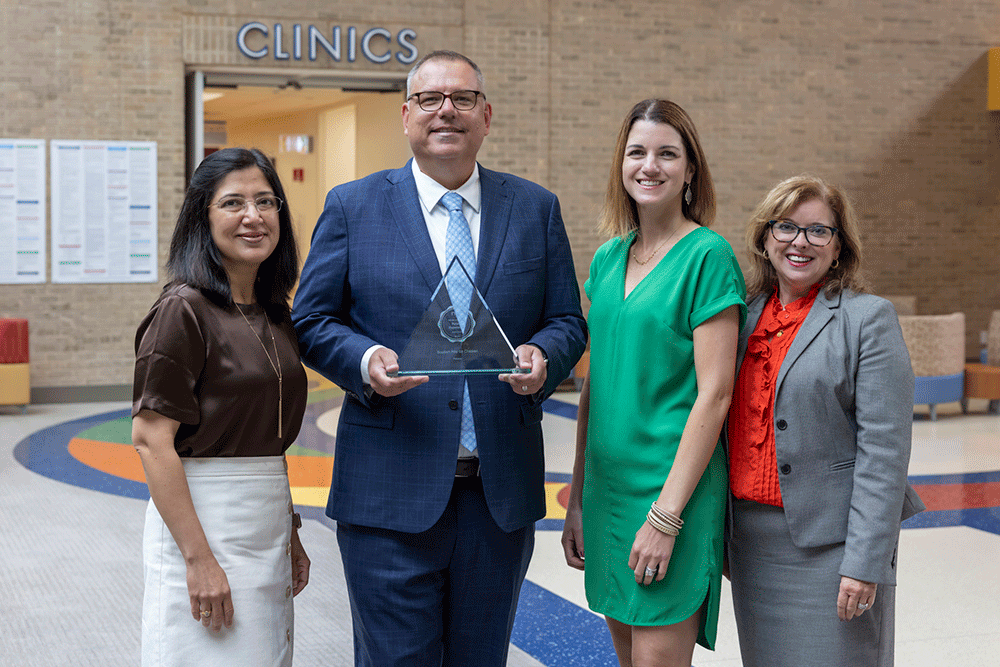
“We are always focused on initiatives that improve patient care and safety. Recently, our team was honored by THA with the Bill Aston Award for Quality for our work to reduce opioid use and dependency in the pediatric patient population after surgery. Projects like this that meaningfully improve outcomes for our patients truly spark my passion around clinical excellence.
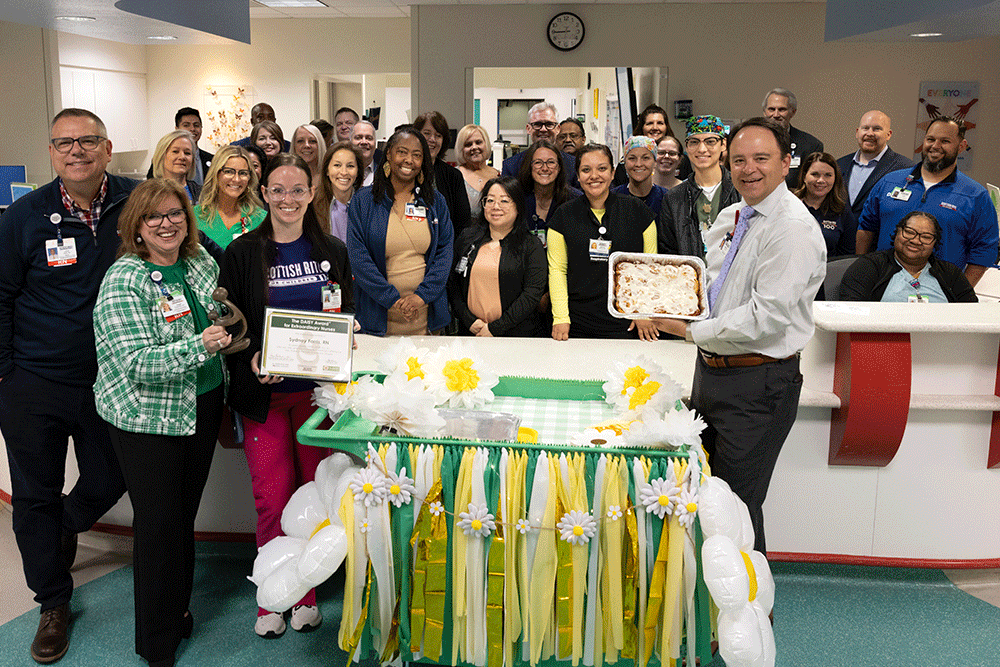
I am also especially proud of our organizational efforts around staff recognition – celebrating team members who actively look for ways to improve care and reduce potential errors for patients and families. That commitment to continuous improvement is very close to my heart.”
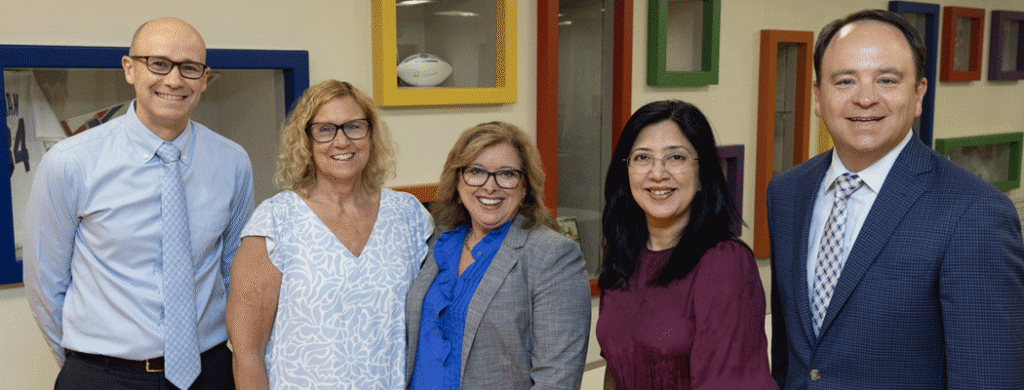
Bill Aston 2025 Award for Quality: Non-Research/Non-Teaching Hospital/Health System
Scottish Rite for Children Dallas was awarded THA’s 2025 Bill Aston Award for Quality for its initiative to standardize prescribing, cut unused narcotics and maintain effective pain control.
Can you tell us more about the study and what the result has been?
“The study focused on reducing the amount of opioids prescribed to pediatric patients following spinal surgery, while still ensuring safe and effective pain management. The team evaluated how much they could decrease the number of medications sent home with patients and closely monitored outcomes throughout the process.
They significantly reduced prescriptions, then reassessed to confirm that patients continued to have good outcomes with no issues in pain control. After validating those results, they reduced the amount even further – again, maintaining both safety and patient comfort as priority.
Another important component was implementing a program that allows patients and families to return unused medications to the facility, helping prevent unnecessary opioid exposure.
We have continued to track outcomes closely, including patient and family experience, which has remained very strong. At the same time, we have prioritized safety at every step. Given the broader need to reduce opioid use in health care – especially among pediatric and adolescent patients – this work has been incredibly meaningful for both our patients and their families.”
What is your favorite part of your job?
“There are so many things I love about my job, but what stands out most is the opportunity to serve others – our patients and their families – every day.
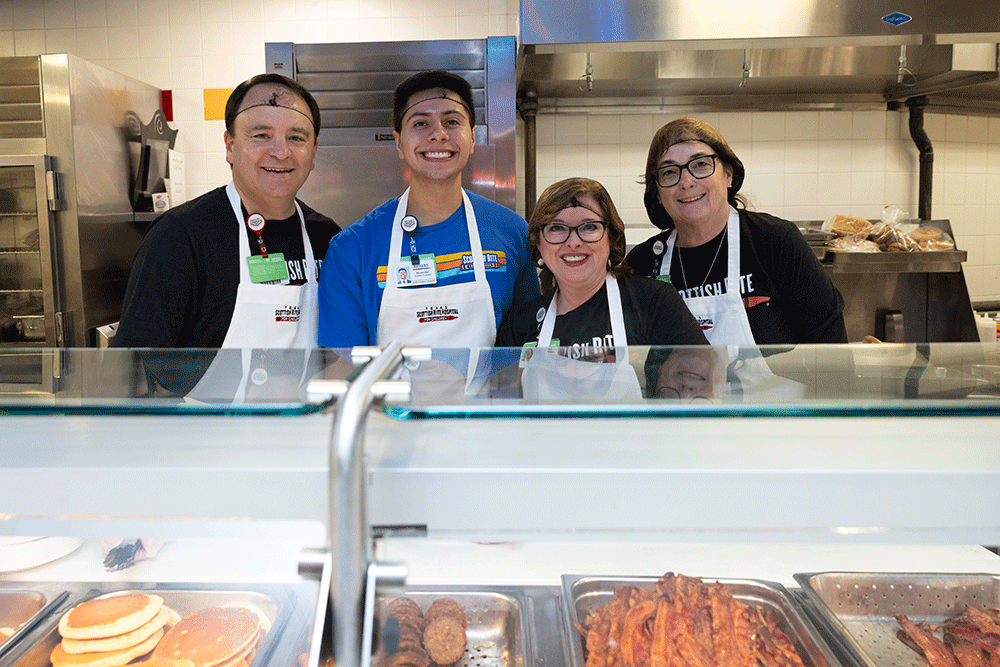
One of my favorite parts is hearing stories about the incredible care our nurses and team provide and the real difference they make in patients’ lives. I am especially proud of how intentional our staff is about delivering individualized, meaningful care. It is so important to me that every child feels seen, valued and uniquely cared for by our team.”

What advice would you give to others pursuing a career in health care administration or clinical leadership?
“Stay open to learning and never stop being curious. Health care is constantly evolving, so it is important to keep growing, exploring new ideas and thinking creatively. No idea is a bad one if it has the potential to improve care and outcomes for patients.
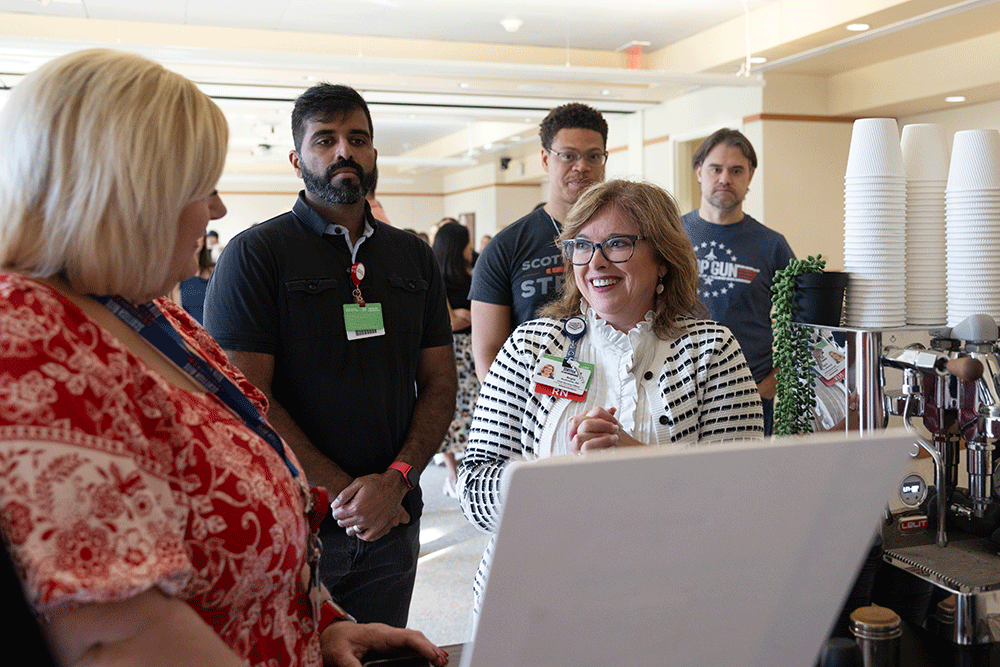
I would also encourage aspiring leaders to stay close to their teams. Do not assume you have all the answers – get in there, learn alongside them and truly understand the work being done. That mindset not only makes you a better leader but also helps you drive meaningful, lasting improvements in care.”
What impact do you hope to have in health care? Or what do you want your legacy to be?
“After such a long career in nursing, I hope my legacy is that I consistently focused on doing the right thing – for our patients, our staff and our teams.
At the end of the day, it is about creating an environment where we can all do our best work in caring for others. If people look back and feel that I helped support that mission and made a positive difference in how we care for patients and one another, that is the impact I hope to leave.”
Related articles from The Scope

2026 Newsmakers in Texas Hospitals
THA’s Newsmakers are hospital executives and leaders from THA-member hospitals…

Texas Hospital Leaders Connect, Collaborate and Prepare for What’s Next
Texas hospital and healthcare leaders gathered in Fort Worth Sept.…

Celebrating Hispanic Leaders in Texas Hospitals
National Hispanic Heritage Month is observed from Sept. 15-Oct. 15…

How Will Healthcare Show Up on the Ballot in Texas Midterms?
With the midterm elections gearing up and critical deadlines approaching,…

THA’s 2026 Leadership Fellows Class Tackles Texas Healthcare Workforce and Access
Strong hospitals depend on strong leaders — not only to…

How the THA Leadership Fellows Program Prepares Texas Hospital Leaders
The THA Leadership Fellows program brings together Texas hospital leaders…