

As temperatures rise across Texas, residents face more than just discomfort – they face serious health risks. In recent years, many communities have experienced prolonged stretches of triple-digit temperatures, dangerous heat indexes and increased strain on power systems. As extreme heat events become more frequent and last longer, understanding how to prevent heat-related illness is more important than ever.
Whether you’re working outdoors, exercising, traveling or simply enjoying time with family, taking precautions can help you stay safe throughout the summer season.
Preventative Measures and General Tips
Stay Hydrated
When temperatures soar, hydration becomes paramount. Drinking plenty of water is one of the most important ways to protect yourself from heat-related illness. Carry water with you throughout the day, especially when spending time outdoors.

Always Ready: How Texas Hospitals Prepare for the Unexpected
From global events to emerging health threats, Texas hospitals are strengthening emergency preparedness to protect patients and communities when it matters most.
During prolonged outdoor activity or periods of heavy sweating, consider replenishing electrolytes in addition to water. Limit excessive alcohol and caffeine consumption, as both can contribute to dehydration.
Remember: by the time you feel thirsty, you may already be mildly dehydrated.
Dress Appropriately
Choosing the right clothing can significantly impact your body’s ability to cope with extreme heat. Opt for loose-fitting, lightweight and light-colored clothing that allows air circulation and reflects sunlight.
Wearing a wide-brimmed hat and sunglasses can provide additional protection, and sunscreen with an SPF of at least 30 helps protect against harmful UV rays.
Know the Heat Index
Air temperature tells only part of the story. The heat index measures how hot it actually feels when humidity is combined with air temperature.
For example, a temperature of 95°F can feel well above 105°F when humidity is high, increasing the risk of heat-related illness. Check local forecasts and heat advisories before spending extended time outdoors.
Plan Outdoor Activities Wisely
Whenever possible, schedule outdoor activities during cooler hours of the day, such as early morning or evening. Seek shaded areas and take frequent breaks in air-conditioned or cool environments.
If engaging in vigorous exercise, pace yourself and listen to your body’s signals. Overexertion in extreme heat can quickly lead to heat exhaustion or heat stroke.
Create a Cool Environment
Take proactive measures to maintain a cool indoor environment. Use fans and air conditioning when available, and keep curtains or blinds closed during the hottest parts of the day to block direct sunlight.
If your home does not have air conditioning, consider spending time in public spaces that provide cooling relief, such as libraries, shopping centers or community cooling centers.
Prepare for Power Outages
Extreme heat can place significant demand on electrical systems. Have a backup plan in place in case of power outages, including:
- Extra drinking water
- Charged mobile devices and portable battery packs
- Flashlights and backup batteries
- Knowledge of nearby cooling centers or public buildings with air conditioning
Understanding and Avoiding Heat-Related Illnesses
Recognizing the warning signs of heat-related illness can save lives.
Heat Exhaustion
Common symptoms include:
- Heavy sweating
- Weakness or fatigue
- Headache
- Dizziness
- Nausea
- Muscle cramps
- Cool, pale or clammy skin
If someone is experiencing heat exhaustion, move them to a cool location, encourage them to drink water if they are conscious and able, loosen clothing and apply cool, wet cloths to the skin.
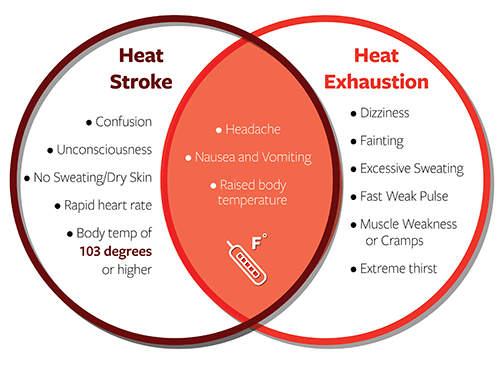
Heat Stroke
Heat stroke is a life-threatening medical emergency. Symptoms may include:
- Body temperature of 104°F or higher
- Confusion or altered mental status
- Rapid pulse
- Hot, red skin
- Loss of consciousness
- Seizures
If you suspect heat stroke, call 911 immediately. While waiting for emergency responders, move the person to a cooler location and begin cooling measures such as applying ice packs to the neck, armpits, wrists and groin.
Exercising Safely in the Heat
Whether you’re training for a race, walking the dog or participating in youth sports, extra precautions are necessary during extreme heat.
- Exercise during the coolest parts of the day
- Wear lightweight, moisture-wicking clothing
- Drink water before, during and after activity
- Reduce intensity during heat advisories
- Stop immediately if you experience dizziness, nausea, chills, confusion or unusual fatigue
Athletes should gradually acclimate to hot conditions rather than abruptly increasing activity levels during peak summer temperatures.
Protecting Vulnerable Groups
Extreme heat affects everyone, but certain groups face higher risks, including:
- Infants and young children
- Older adults
- Pregnant individuals
- Outdoor workers
- Athletes
- Individuals with chronic medical conditions
Some medications—including certain blood pressure medications, diuretics, antihistamines and antidepressants—can affect the body’s ability to regulate temperature or maintain hydration. Individuals taking these medications should consult their healthcare provider about heat-related precautions.
Check on elderly neighbors, relatives and others who may need assistance during periods of extreme heat.
Hot Cars and Hot Surfaces
Hot Cars
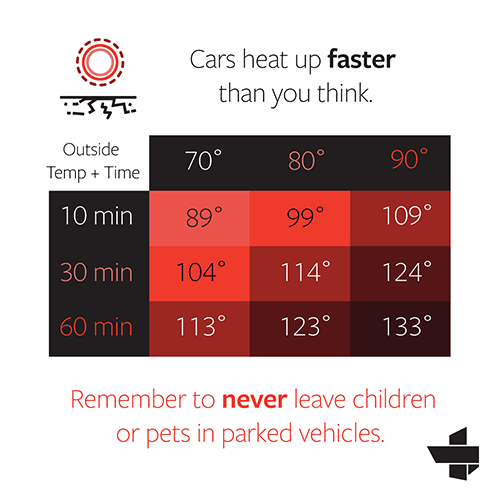
Every year, children in Texas die from preventable vehicular heatstroke.
Never leave children, older adults or pets unattended in a parked vehicle, even for a few minutes. Temperatures inside a vehicle can rise rapidly, even when outside temperatures seem moderate.
Hot Pavement
On sunny days, pavement, concrete and other outdoor surfaces can become significantly hotter than the surrounding air temperature and may cause serious burns.
Children, older adults and pets are particularly vulnerable. Wear appropriate footwear outdoors and test hot surfaces before prolonged contact.
Stay Informed and Stay Safe
Pay attention to local weather forecasts and official heat advisories throughout the summer. Extreme heat is more than an inconvenience—it is one of the leading weather-related causes of illness and death in the United States.
By staying informed, planning ahead and recognizing the signs of heat-related illness, Texans can help protect themselves, their families and their communities all summer long.
Related Articles from The Scope

A Healthy Texas Starts with Prevention
As back-to-school season begins and new federal guidance creates confusion,…

10 Tips for Going Back to School Safely
As kids head back to the classroom, here are 10…
Always Ready: How Texas Hospitals Prepare for the Unexpected
From international sporting events and emerging infectious diseases to flooding,…

Clarity is Kindness: Advance Directives Protect Patients, Families
End-of-life care goes beyond the patient; it’s also about the…

COVID-19 Heroes Day: Honoring Sacrifice
Updated Feb. 4, 2026. (Originally published Feb. 2024.) For health…

Before the Cold Arrives: How Texans Can Prepare for Winter Weather
Cold weather in Texas often arrives quickly and with little…