

Fall in Texas brings football games, festivals and holiday plans. It also brings more opportunities for respiratory viruses to spread as people travel and gather indoors.
While a cold may mean a few uncomfortable days, influenza and other respiratory infections can cause serious complications. Protecting your health also means paying attention to food safety, emotional well-being and safe travel.
As Texans head into fall 2026, these practical steps can help keep families and communities healthy.
Make Prevention Part of Your Fall Plans
The Centers for Disease Control and Prevention recommends annual flu vaccination for everyone 6 months and older, with rare exceptions. For most people, September and October are good times to get vaccinated, ideally by the end of October. Protection takes about two weeks to develop.
Even if you get sick, vaccination can reduce the severity of illness and the risk of hospitalization and death. Ask your healthcare provider whether COVID-19 or RSV immunizations are also recommended for you.
Everyday prevention habits add protection:
- Wash your hands with soap and water for at least 20 seconds, especially before eating and after coughing or sneezing.
- Cover coughs and sneezes with a tissue or your elbow, and clean frequently touched surfaces.
- Improve indoor air through ventilation or appropriate air filtration. Gather outdoors when weather and air quality allow.
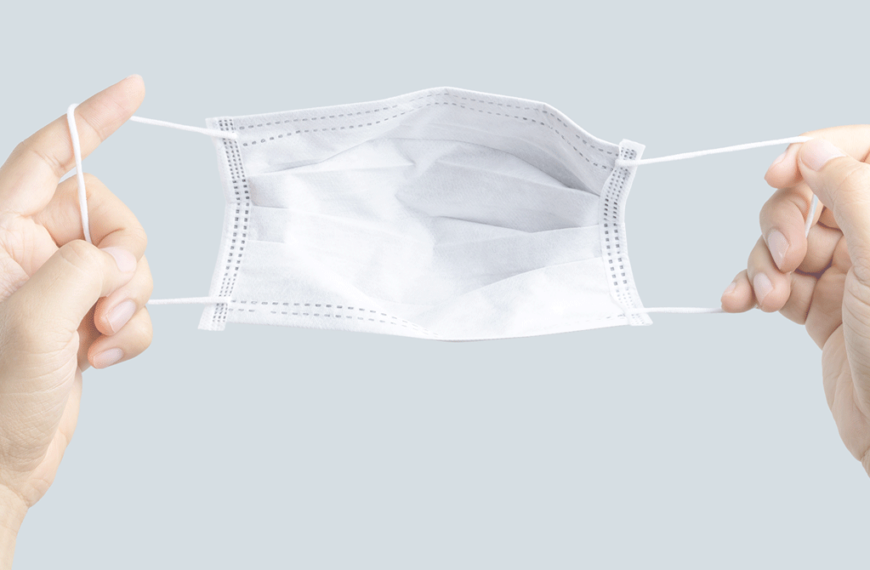
- Consider a well-fitting mask, especially when respiratory illness is increasing or around someone at higher risk of serious illness.
Know When to Stay Home or Seek Care
Staying home when you are sick helps protect coworkers, classmates and loved ones.
Under CDC’s community guidance, you can resume normal activities when, for at least 24 hours:
- Your symptoms have been improving overall.
- You have had no fever without using fever-reducing medication.
For the next five days, take extra precautions, such as masking, cleaner air and distancing. Healthcare workers should follow their facility’s separate infection-control and return-to-work requirements.
Contact a healthcare provider promptly if you have flu symptoms and are at higher risk of complications, are very sick or are concerned about your illness. Flu antiviral medications work best within two days of symptom onset, although later treatment may still help some patients. Antibiotics do not treat influenza.
Primary care, telehealth or urgent care may be appropriate for mild symptoms. Seek emergency care for warning signs such as difficulty breathing, persistent chest pain or pressure, or confusion. Children with trouble breathing, bluish lips or signs of dehydration also need immediate medical attention.
Keep Food Safety on the Menu
From tailgates to holiday dinners, protect guests by following four food-safety steps: clean, separate, cook and chill.
- Clean: Wash hands, utensils and preparation surfaces.
- Separate: Keep raw meat and its juices away from ready-to-eat foods.
- Cook: Use a food thermometer. Poultry and reheated leftovers should reach 165°F.
- Chill: Refrigerate perishable foods within two hours – or one hour when temperatures exceed 90°F. Divide leftovers into shallow containers for faster cooling.
Make Room for Rest and Connection
A busy season can bring financial pressure, grief, loneliness or stress. Give emotional health the same attention you give physical health:
- Set realistic expectations for your schedule and spending.
- Make time for rest and people you trust.
- Check in on loved ones who may be having a difficult season.
- Plan medication refills and follow-up care before travel or holiday closures.
CDC’s How Right Now resources offer support for challenging emotions. If stress or sadness begins affecting daily life, reach out to a healthcare provider or mental health professional.
Travel With Your Health in Mind
Whether you are driving across town or across Texas, allow enough time to travel safely.
Get adequate sleep before a long drive, and stop in a safe location if you become drowsy. Check medication labels for warnings about sleepiness, particularly when taking cold or flu remedies. Avoid alcohol before driving, and arrange another ride when needed.
Help Keep Texas Communities Healthy
Hospital teams care for Texans throughout the fall and winter, including weekends and holidays. Preventing illness and seeking timely treatment can help reduce avoidable seasonal demand for care while protecting vulnerable community members.
Whether you are hosting a gathering, visiting family or heading to work, make prevention part of the plan.
Stay connected with the people, stories and issues shaping healthcare in Texas. Subscribe to The Scope for member news, seasonal issue coverage, industry insights and stories from hospitals and health systems across the state.
Related articles from The Scope
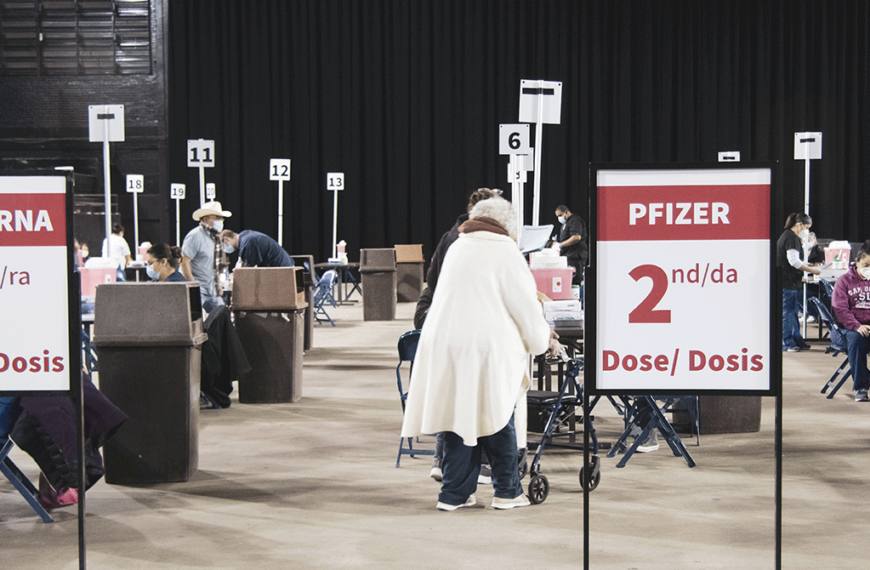
Vaccinating Texas
From COVID-19 testing sites to mass vaccination sites, Texas hospitals…

The Return of Sports: Texas Hospitals Tackle Injury, Treatment and Prevention
Through state-of-the art facilities and community networks, Texas sports medicine…
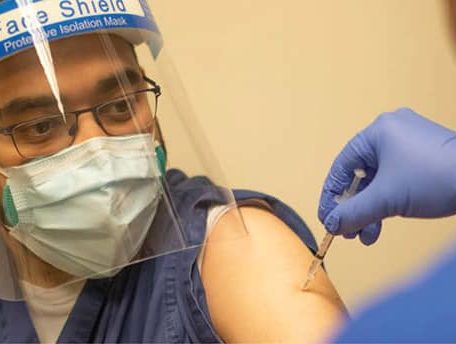
Vaccine Requirements: Protecting Providers and Patients
Hospitals, businesses, universities and some government agencies are embracing mandatory…
THA Brings Back Annual Staff Flu Shot Clinic
When it comes to public health, the Texas Hospital Association…
Advocating as the Voice of Texas Hospitals
The Texas Hospital Association’s advocacy department continually engages lawmakers and…
Texas Hospitals’ Year-Long Fight
From the first COVID-19 cases in Texas to the arrival…