

United Regional Health Care System, Wichita Falls
Congratulations to United Regional Health Care System, recipient of the Bill Aston Award for Quality for Coding for Quality, an initiative that brought clinical documentation, coding and quality teams together to improve the accuracy of Patient Safety Indicators (PSIs), strengthen patient safety and ensure reported outcomes accurately reflect the care delivered.
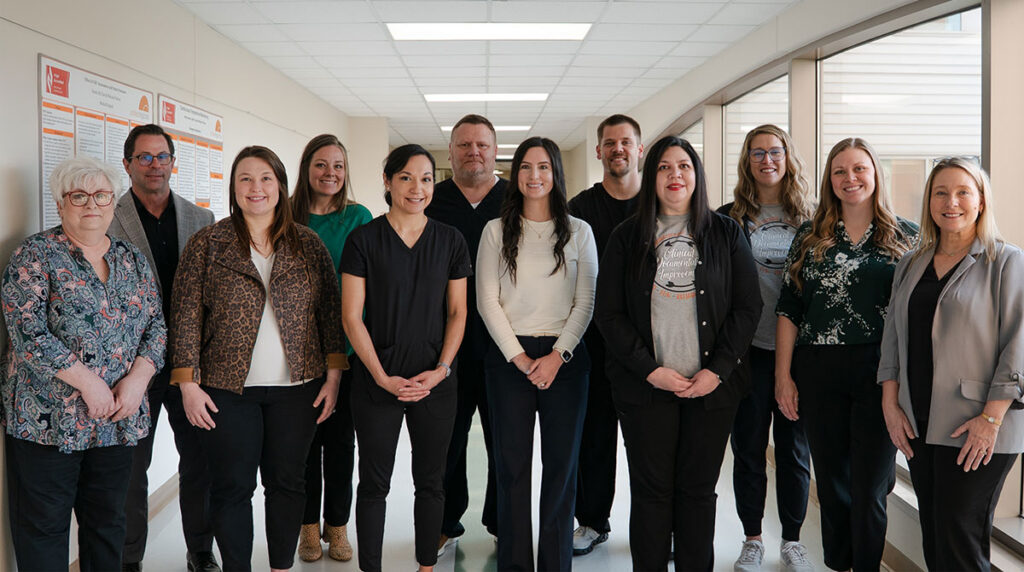
At United Regional Health Care System, a retrospective review identified missed documentation and coding opportunities contributing to inappropriate Patient Safety Indicator (PSI) attribution. PSI oversight primarily occurred within Quality, with limited collaboration across Clinical Documentation Integrity (CDI), Health Information Management, Coding and clinical teams, creating variation in interpretation, delayed validation and inconsistent provider engagement.
As a community hospital serving an underserved population, accurate documentation and risk adjustment are essential to fair performance measurement and focusing improvement efforts where they matter most.
Building a Shared Approach to Quality
To address these gaps, United Regional launched Coding for Quality, a systemwide initiative designed to establish shared accountability and align clinical documentation and coding practices around accurate PSI attribution and patient safety improvement.
With executive sponsorship from the organization’s COO and CFO, United Regional established a multidisciplinary PSI workgroup spanning CDI, Coding, Quality, Case Management, Revenue Cycle and Compliance. The team conducts weekly reviews of flagged cases to audit documentation and coding, confirm appropriate PSI attribution and identify opportunities for process improvements and targeted education.
CDI, Coding and Quality also use an Optum-generated watch list to identify potential PSIs in real time, allowing teams to clarify documentation with providers before discharge. Standardized queries and pre-bill validation provide additional opportunities to ensure accuracy before coding is finalized.
Turning Data Into Action
The team reviewed PSI technical specifications and Vizient performance data to identify frequently missed exclusions and documentation gaps and guide targeted education. Dashboards track PSI volume and trends, attribution accuracy, query turnaround time and recurrence rates, while post-discharge outcomes are validated using Vizient benchmarks.
A 41% Reduction in Patient Safety Indicators
Since Coding for Quality launched in mid-2024, total PSIs declined from 43 in 2023 to 24 in 2025, a 41% reduction from baseline. The largest improvements occurred in PSI 06, 09, 11, 12 and 15. Teams also report clearer documentation expectations, faster query turnaround and stronger collaboration, while standardized workflows reduced retrospective corrections and rework.
United Regional accomplished this work without adding new fulltime positions, instead leveraging existing staff and infrastructure with targeted investments in analytics, education and dedicated staff time. The initiative provides a scalable, resource-efficient model for community hospitals with limited financial flexibility.
Congratulations to United Regional Health Care System, a 2026 Bill Aston Award for Quality recipient, for its commitment to advancing patient safety, strengthening collaboration and improving quality outcomes for the patients and communities it serves.
Bill Aston Award for Quality:
Non-Research/Non-Teaching Hospital/Health System
The Texas Hospital Association Bill Aston Award for Quality honors hospitals’ measurable success in improving quality and patient outcomes through the sustained implementation of a national and/or state evidence-based patient care initiative.